
greenhouse tempered glass panels
Understanding Snap Gauge Micrometers Precision Measurement Tools In the realm of precision engineering and manufacturing, tools that provide accurate measurements are indispensable. Among these, the snap gauge micrometer stands out as a crucial instrument used in various applications for precise measurement of dimensions. This article explores what snap gauge micrometers are, how they function, their advantages, and their applications. What is a Snap Gauge Micrometer? A snap gauge micrometer is a measuring device designed to obtain the outer dimensions of workpieces with high accuracy. It typically consists of two measuring faces, which provide a fixed point of reference. Snap gauges are also often called go/no-go gauges because they are primarily used to determine whether an object fits within specified dimensional tolerances. The construction of a snap gauge micrometer usually involves a hardened steel frame and measuring surfaces that can withstand wear and deformation. Many models are equipped with an additional mechanism to indicate when the correct dimensions are reached, often involving a ticking sound or a visual indicator. How Does a Snap Gauge Micrometer Work? Using a snap gauge micrometer is relatively straightforward, but achieving accuracy requires proper technique. The operator places the workpiece between the two measuring faces of the micrometer and gently closes the faces until they contact the object being measured. The function of a snap gauge micrometer is inherently simple it checks the dimension of components to ascertain if they meet predefined specifications. If the workpiece fits within the go limit of the gauge while failing to fit within the no-go limit, it is deemed acceptable . This system allows for efficient quality control in manufacturing processes. Advantages of Snap Gauge Micrometers snap gauge micrometer One of the primary benefits of snap gauge micrometers is their simplicity and ease of use. Operators can quickly assess whether a part is within acceptable tolerances, making it an effective tool for quality assurance. Additionally, snap gauges offer a high degree of accuracy and reproducibility, which is crucial in industries where precision is paramount. Moreover, snap gauge micrometers are often compact and portable, allowing them to be used in various working environments, from workshops to assembly lines. The robust construction of these tools also means they can provide reliable performance for extended periods, further reducing the need for frequent calibrations or replacements. Applications of Snap Gauge Micrometers Snap gauge micrometers find extensive applications across various industries. In the automotive sector, they are used to measure components such as piston diameters, shaft lengths, and valve clearances. The precision offered by snap gauges ensures that parts fit together seamlessly, thereby enhancing the overall quality of the final product. In the aerospace industry, snap gauges play a crucial role in measuring critical components where even the slightest variations in dimensions can lead to failure. The medical device manufacturing sector relies on the accuracy of snap gauge micrometers to ensure that instruments are produced to exact specifications, ultimately impacting patient safety. Furthermore, snap gauge micrometers are used in metalworking, woodworking, and even in the production of consumer goods. Any industry that demands precision in its components can benefit from the use of snap gauge micrometers. Conclusion In conclusion, snap gauge micrometers are vital tools for ensuring dimensional accuracy in a wide array of industries. Their straightforward design and ease of use make them ideal for both experienced operators and those new to precision measurement. As technology continues to advance, the integration of digital scales and electronic indicators is enhancing the functionality of traditional snap gauge micrometers, further solidifying their place in modern manufacturing processes. By understanding and utilizing snap gauge micrometers effectively, industries can maintain high standards of quality control, reduce waste, and enhance overall efficiency. Whether in workshops, labs, or factories, the snap gauge micrometer remains a key ally in the pursuit of precision engineering.
about
greenhouse tempered glass panels
Precision Welding The Cornerstone of Manufacturing Excellence In the realm of advanced manufacturing and engineering, precision welding stands as a pivotal process, enabling the creation of robust, reliable, and intricately designed components that form the backbone of various industries. A precision welding table, therefore, is more than just a piece of workshop furniture—it's an essential tool in achieving unparalleled accuracy and repeatability in welding applications. This article delves into the significance of precision welding tables, their design features, and how they contribute to enhancing productivity and quality in today's demanding fabrication environments. **The Heart of Precision** At its core, precision welding involves joining materials, typically metals, with meticulous attention to detail, ensuring minimal distortion and absolute conformity to design specifications. This level of precision is crucial in industries like aerospace, automotive, medical devices, and renewable energy, where even minute deviations can compromise structural integrity or functionality. A precision welding table serves as the stable platform upon which these intricate operations take place, equipped with features tailored to facilitate meticulous weld placement and control over working conditions. **Design Features That Make a Difference** A well-designed precision welding table incorporates several key attributes to enhance welding accuracy 1. **Stability & Rigidity** Constructed from heavy-duty steel or reinforced alloys, these tables withstand the intense heat and pressure associated with welding while maintaining their form, ensuring that workpieces remain stable during the process. 2. **Modularity & Adjustability** Modular clamping systems and adjustable fixtures enable precise alignment and securing of workpieces, accommodating a wide range of shapes and sizes. This adaptability is vital for complex assemblies, allowing for repeatable setups and minimizing setup times. 3. **Magnetic Pads or Grids** Some precision tables incorporate magnetic surfaces or grids that securely hold ferrous materials without the need for additional clamps, further streamlining the setup process and reducing potential warping from excessive clamp pressure. 4 4 4 4 precision welding table . **Precision Measuring Tools** Integrated rulers, angle guides, and leveling instruments facilitate accurate measurements and positioning, ensuring weld seams align perfectly to blueprints. 5. **Vibration Dampening** Advanced designs may include vibration dampening features to minimize disturbances that could affect weld quality, especially when working with sensitive materials or intricate geometries. **Enhancing Productivity and Quality** The implementation of a precision welding table significantly contributes to both productivity and quality control within manufacturing facilities - **Reduced Rework** By ensuring accurate weld placement from the outset, these tables minimize the need for rework, saving time and resources. - **Increased Efficiency** With quick setup and adjustment capabilities, operators can switch between tasks rapidly, optimizing workflow and throughput. - **Consistent Outcomes** Repeatable setups lead to consistent welding results, critical for meeting stringent industry standards and customer expectations. - **Worker Comfort and Safety** Proper ergonomics in table design reduce operator fatigue and risk of injury, fostering a safer and more productive work environment. **Conclusion** In the quest for manufacturing excellence, precision welding tables are indispensable assets. They embody the synthesis of innovative design, advanced materials, and a deep understanding of the complexities inherent in high-precision welding tasks. As technology continues to advance, so too will the capabilities of these tables, further pushing the boundaries of what can be achieved in terms of accuracy, efficiency, and overall product quality. In essence, investing in a precision welding table is not just about acquiring a tool; it’s a commitment to achieving the highest standards in modern manufacturing processes.
-

High quality industrial productsagement

High quality industrial products
View Details -

Meet the diverse needs of customers

Meet the diverse needs of customers
View Details -

Strict quality control

Strict quality control
View Details -

Top raw materials

Top raw materials
View Details -

Trusted supplier

Trusted supplier
View Details
Our application


news and information

Vesiventtiili 3 4
Vesilukon tarkastusventtiili tärkeys ja toimintaperiaate Vesilukon tarkastusventtiilit ovat keskeisi

Versatile Ground Anchor Solutions for Securely Supporting Adjustable Structures and Outdoor Installa
Understanding Adjustable Post Ground Anchors A Comprehensive Guide In the field of construction and
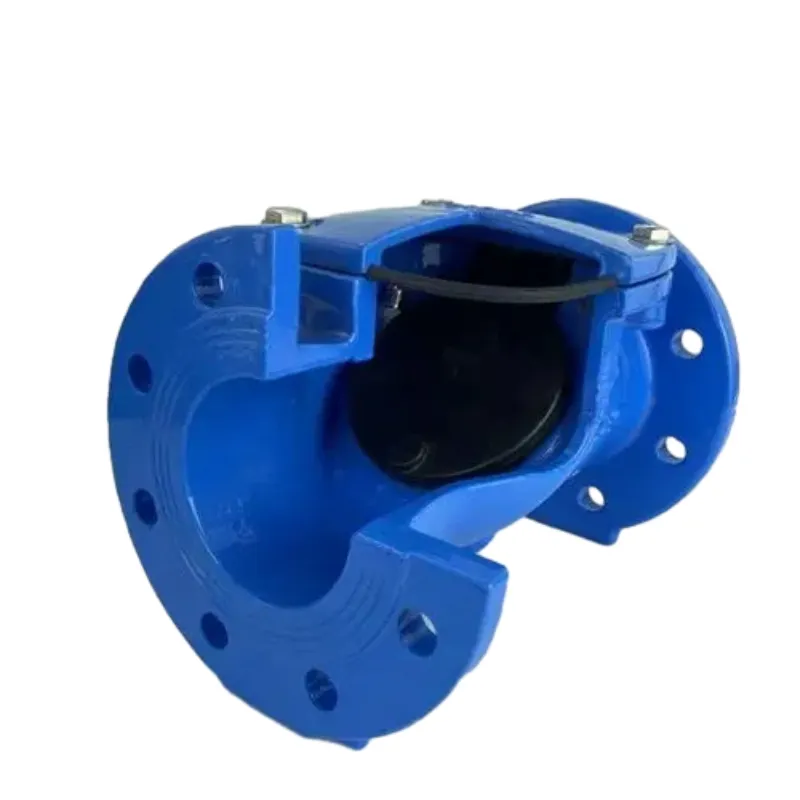
valve water
Understanding Valve Water The Key to Efficient Water Management Water is one of the most vital resou
 English